



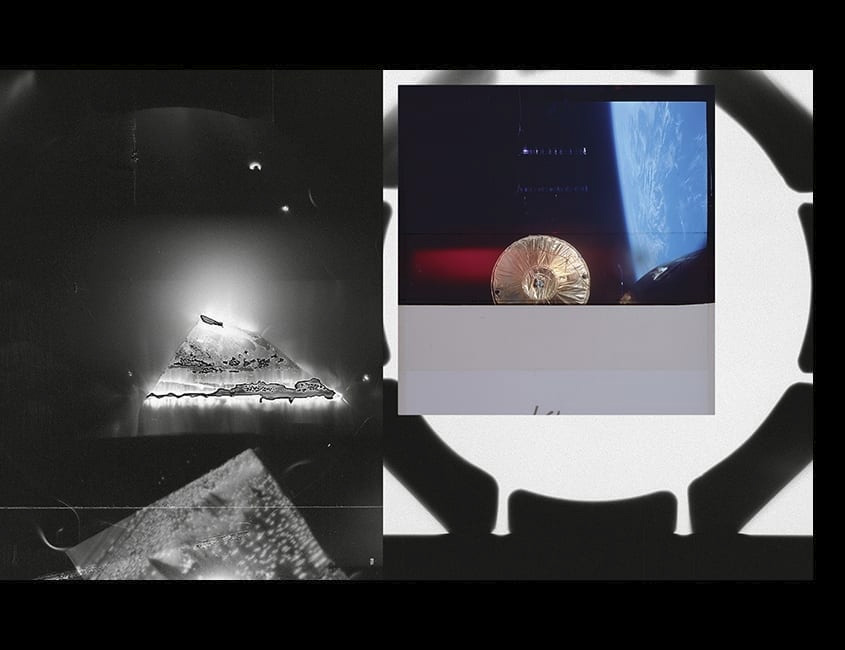
Stefan Constantinescu & Corina Ilea: Noah's Ark
€51
Keyword: artists' book, utopia, space travel, politics, Swedish-Romanian artist
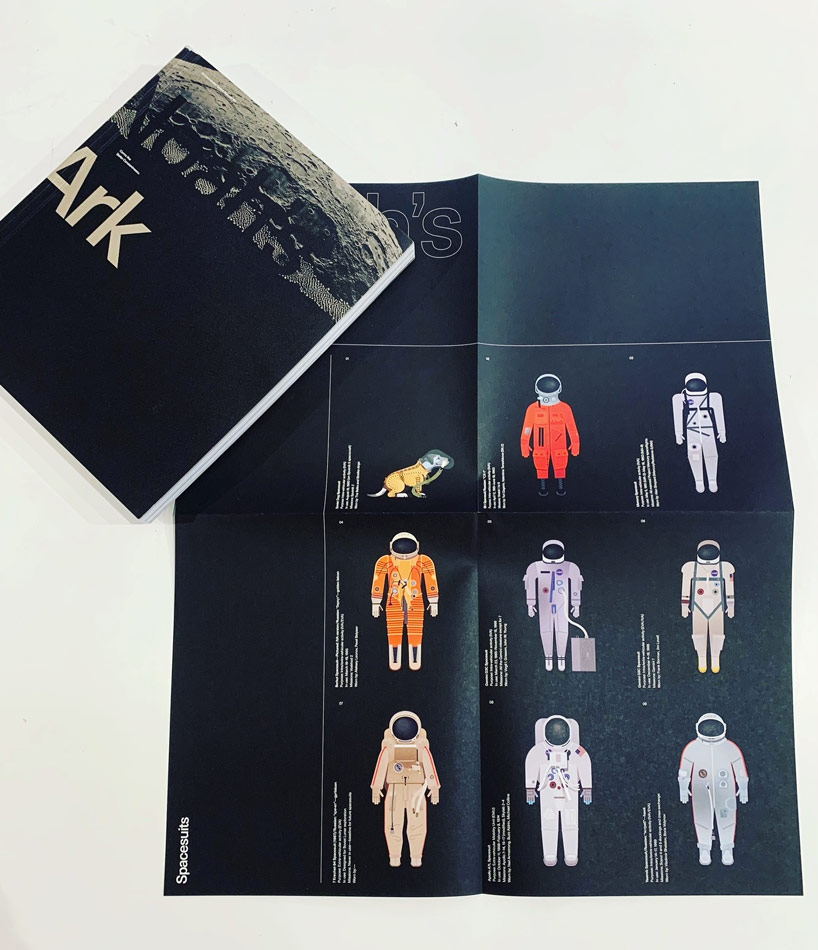
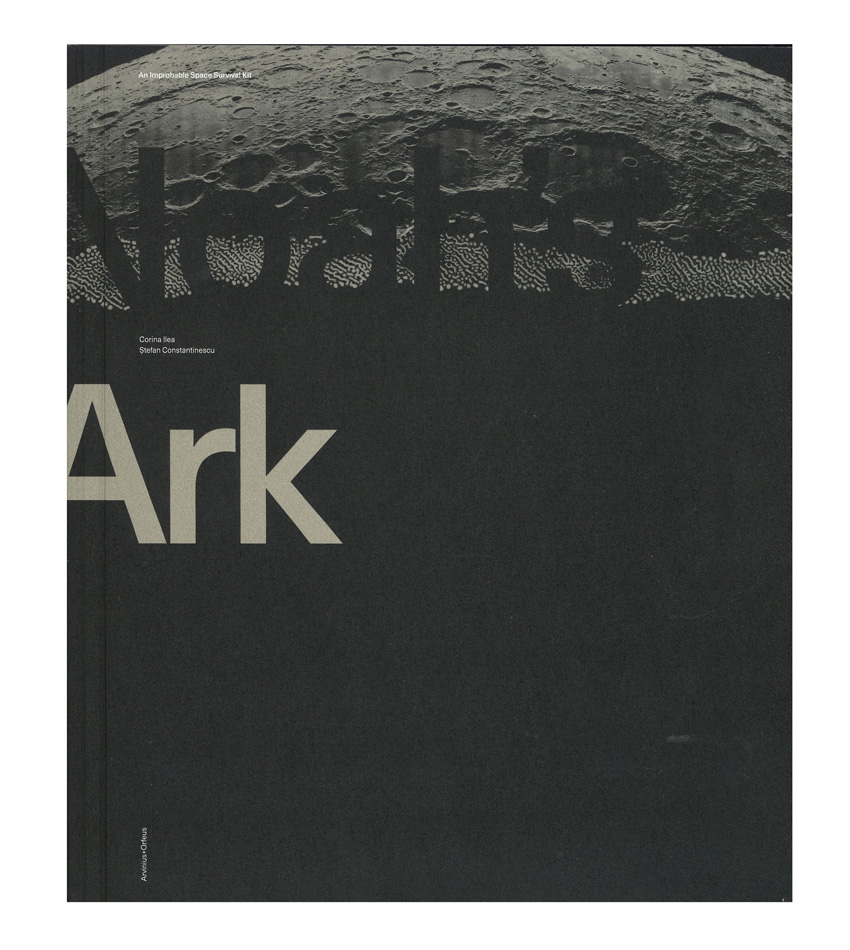
Subtitle: An Improbable Space Survival Kit Size: 215 x 255 mm Pages: 280 Format: softcover (incl a poster) Language: English Illustration: 31 colour Text: Corin Braga, Cătălina Curceanu, M R. X. Dentith, Simon Harel, Laura T. Ilea, Maria Lantz, Philip Leonard, Ilinca Micu, Tudor Mihăescu, Dumitru Prunariu, Alexandru Solomon Book design: Radu Manelici Printing: Fabrik Publisher: Arvinius+Orfeus Pub Year: 2021 Weight: 1106 gr ISBN 13: 9789198533569Description
Article no.: 9789198533569
Many spacecraft are put into graveyard orbit at the end of their operational lifespan, a few hundred kilometers above geosynchronous orbit, at 36.000 km away. They will last in graveyard orbit for millions of years.
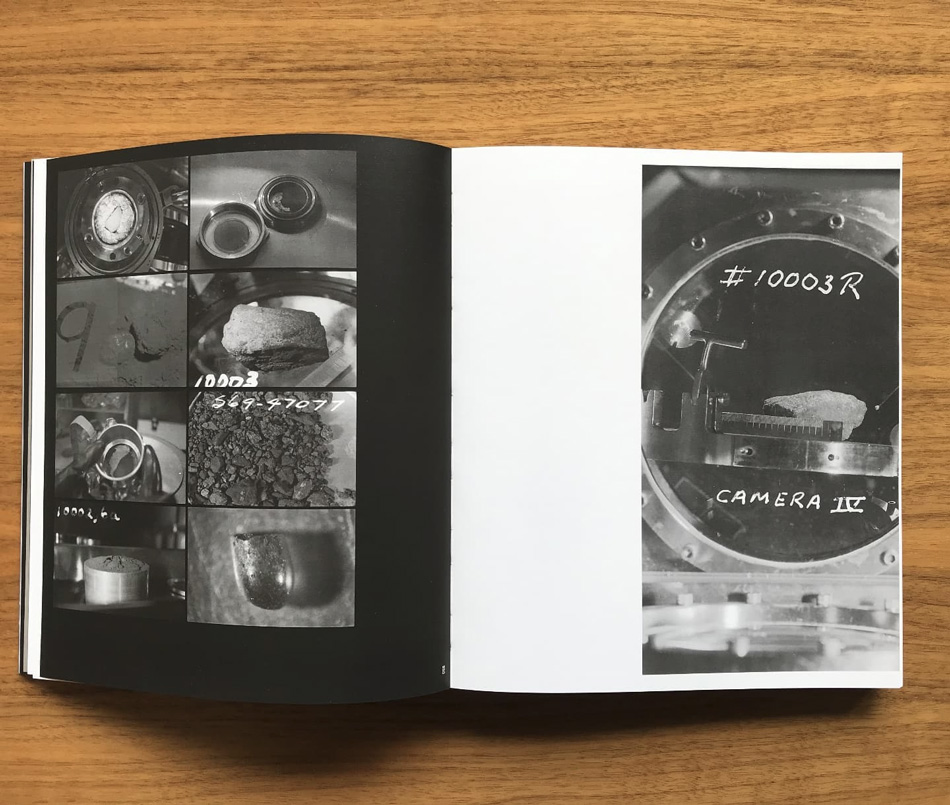
Having survival kits used in Apollo and Mercury space missions as inspiration, the artist book" Noah’s Ark – An Improbable Space Survival Kit" advances a set of conceptual and artistic tools to be used in a crisis situation – our present times – and to imagine the future.
After 14 years of exploration on Mars, the Opportunity rover has lost contact with Earth and, following a series of recovery commands, on February 13, 2019 the team from Pasadena declared Opportunity dead and sent the rover a last message: Billie Holiday's " I'll Be Seeing You." (1994)
"I'll find you in the morning sun
And when the night is new
I'll be looking at the moon
But I'll be seeing you"
From the publisher:
The accelerated rhythm of global climate change, vanishing bio resources and the effects of the Anthropocene pose the urgency of survival in stronger and stronger terms. What are the possible scenarios to be followed? Nowadays, leaving the Earth and colonising outer space is gradually becoming a potential alternative reality. The unknown cosmos is gradually turned into a world to be seen, grasped, explored and inhabited.
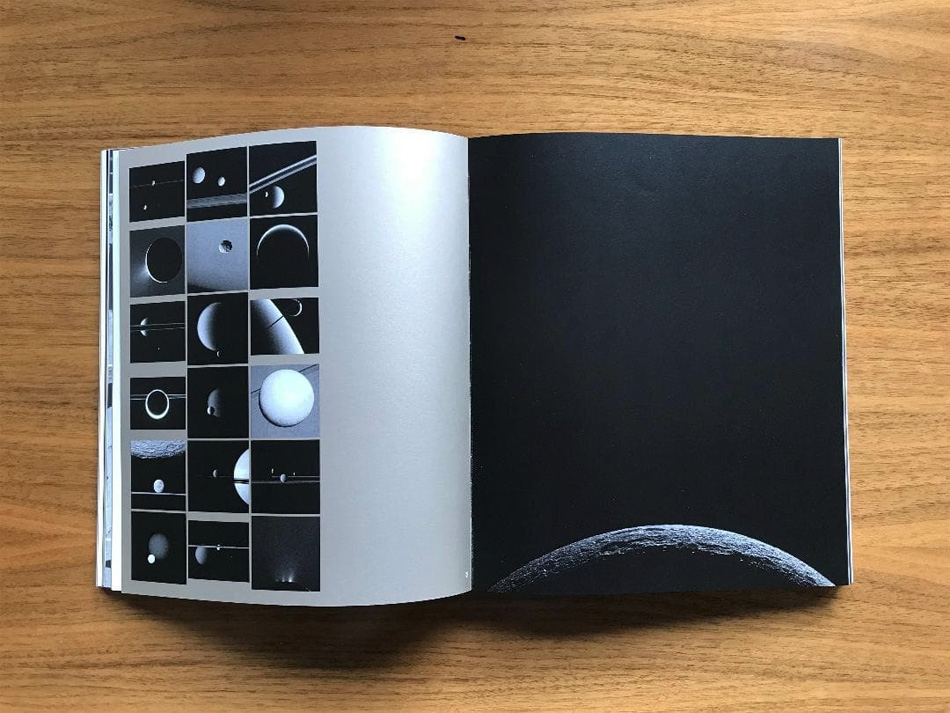
The Artemis Moon Mission is scheduled for 2024. Worlds, potentially hosting life or capable of sustaining it, are being envisioned and searched for; exoplanets are discovered; self-sustainable space habitats are imagined. Contemporary Noah’s Arks are designed, human life prolongation is sought for, and Military Space Commands are created. Ethical questions abound regarding the attempt to colonise and inhabit space, as well as regarding human responsibility toward outer space, which starts to be marked by an Anthropocene stage. The actively sought for planetary migration toward space simultaneously contains the promise of the future as well as the germs of contamination and destruction of the worlds it encounters.
Is outer space a viable scenario for life prolongation and survival? If so, does it breed life as we know it, or do we witness an ontological shift in what life means?
This project is supported by Konstnärsnämnden, The Swedish Art Grants Committee.