




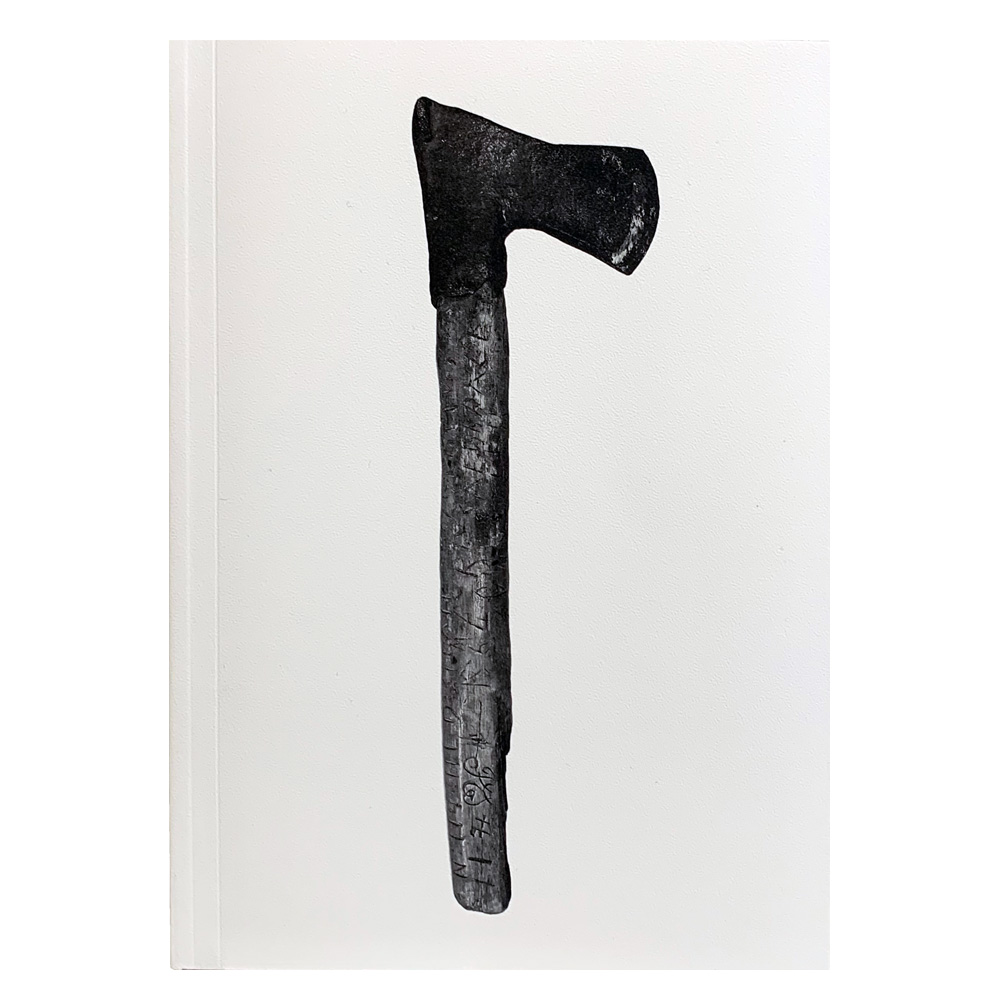
Elina Birkehag: D for Daughter
€31
Keyword: 2020s, Arborglyphs, inscriptions, women's history, Swedish artist
Size: 170 x 240 mmPages: 304
Format: softcover
Language: English
Illustration: colour & b/w
Contribution: Elina Birkehag, Quinn Latimer, Meg Miller, Matilda Kenttä & Linnea Rutz, Jennie Tiderman-Östberg, Jungmyung Lee, and Amelia Groom & M. Ty
Photography: Elina Birkehag, Laslo Strong
Graphic design: Laslo Strong
Printing: Gutenberg Beuys Feindruckerei
Publisher: Spector Books
Pub Year: 2023
Weight: 723 gr
ISBN: 9783959057394
Description
Article no.: 9783959057394
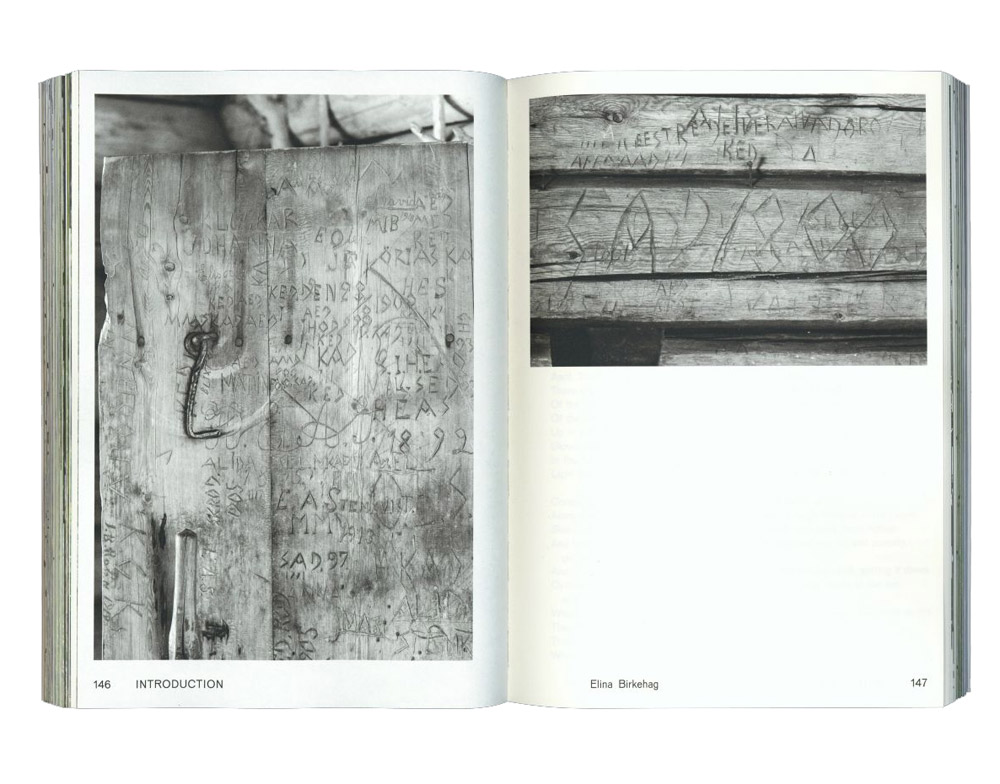
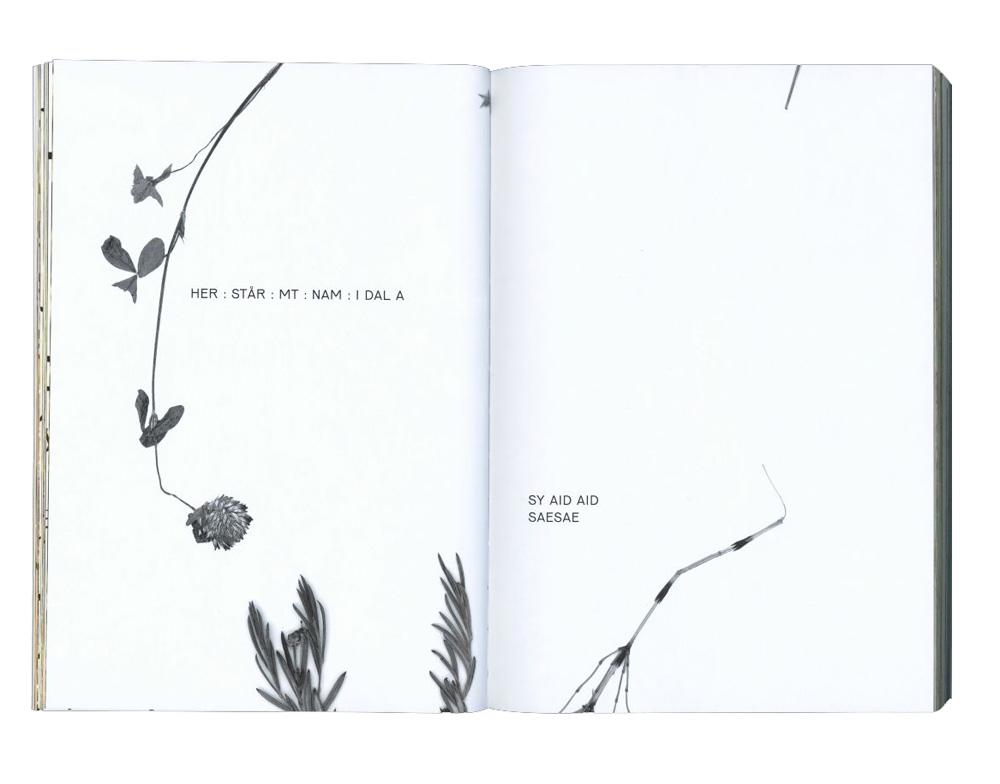
Inscription on trees (Arborglyphs) by Swedish female mountain shepherds through the second millennia, photographed and beautifully explored
Nominated for Swedish Photography Book Prize 2024!
From the publisher:
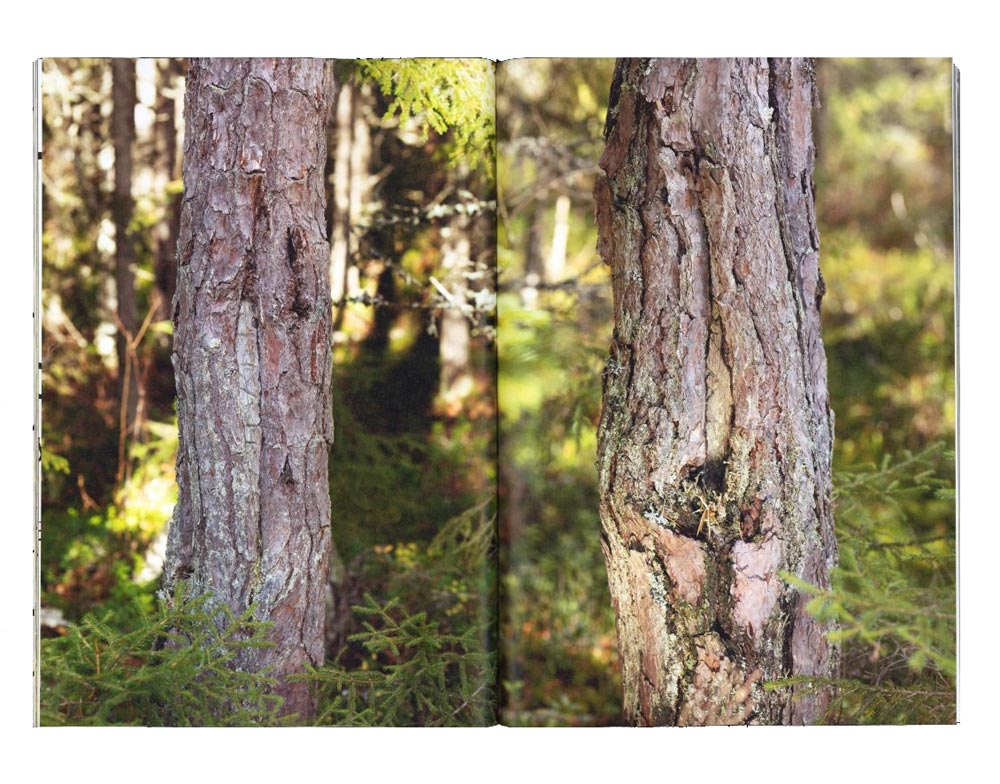
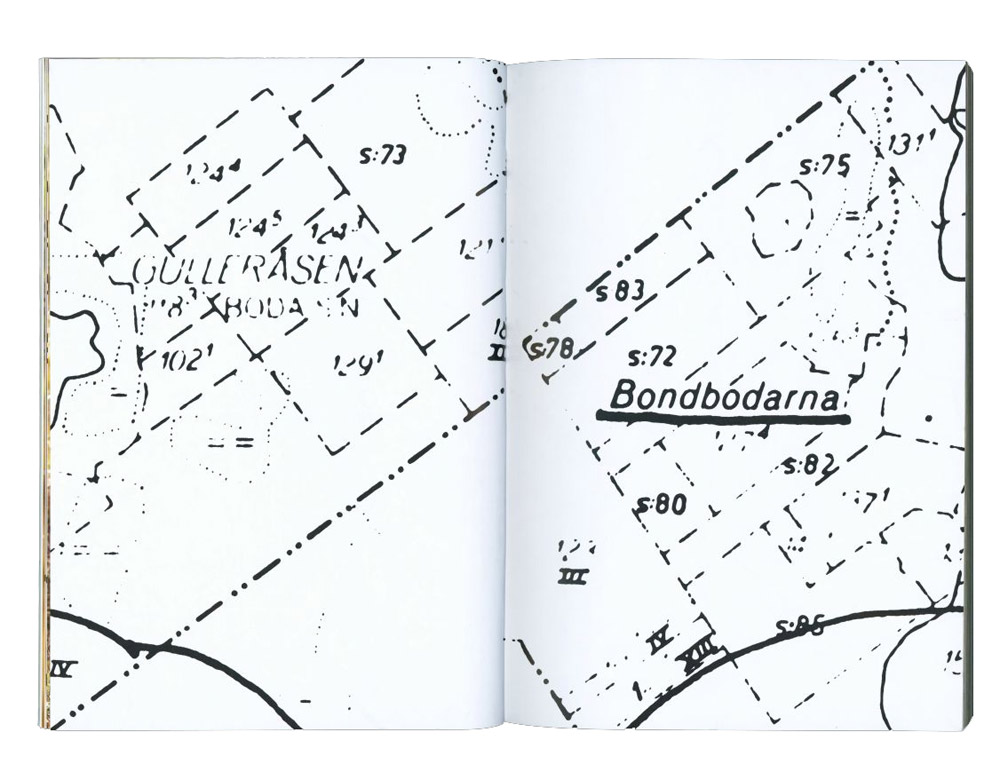
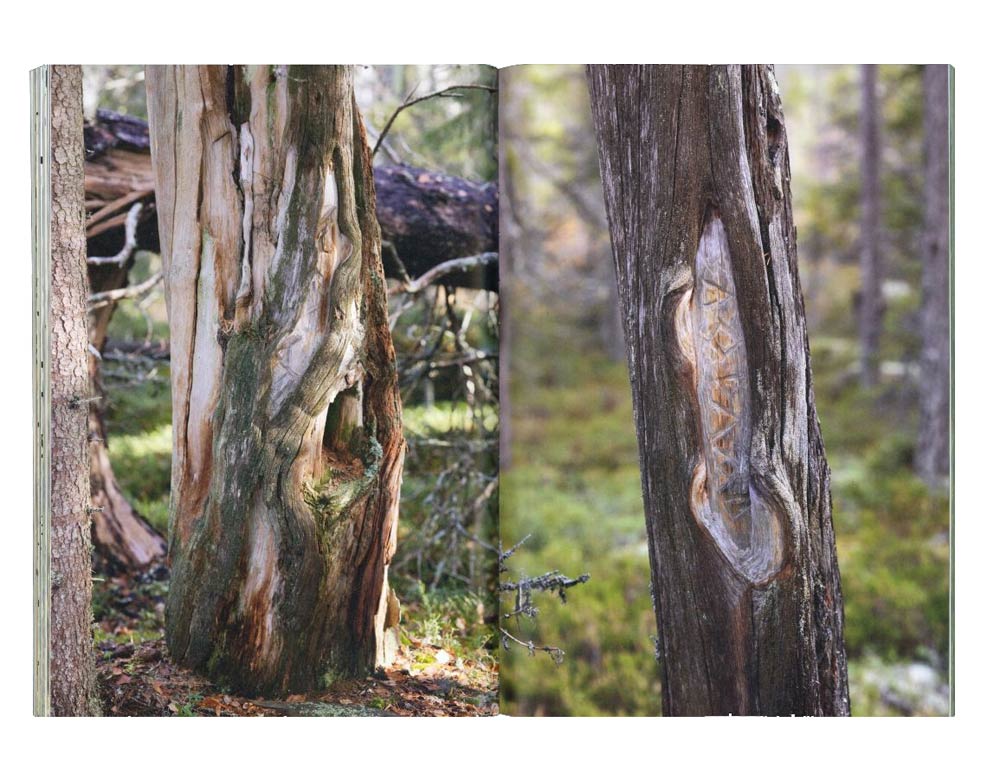
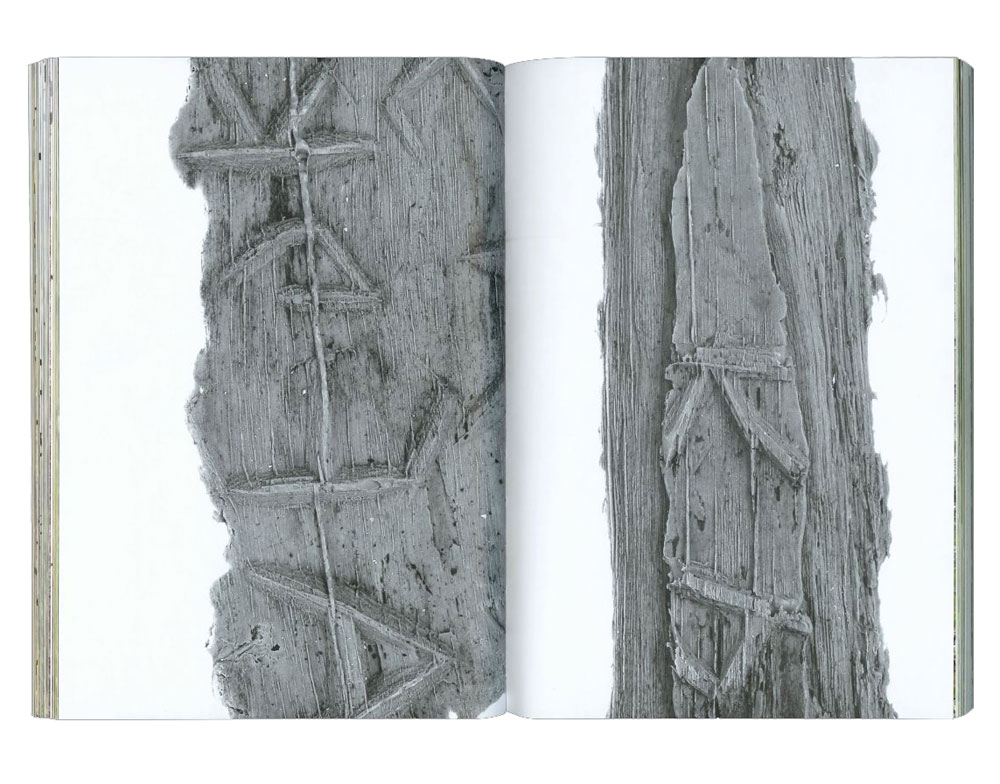
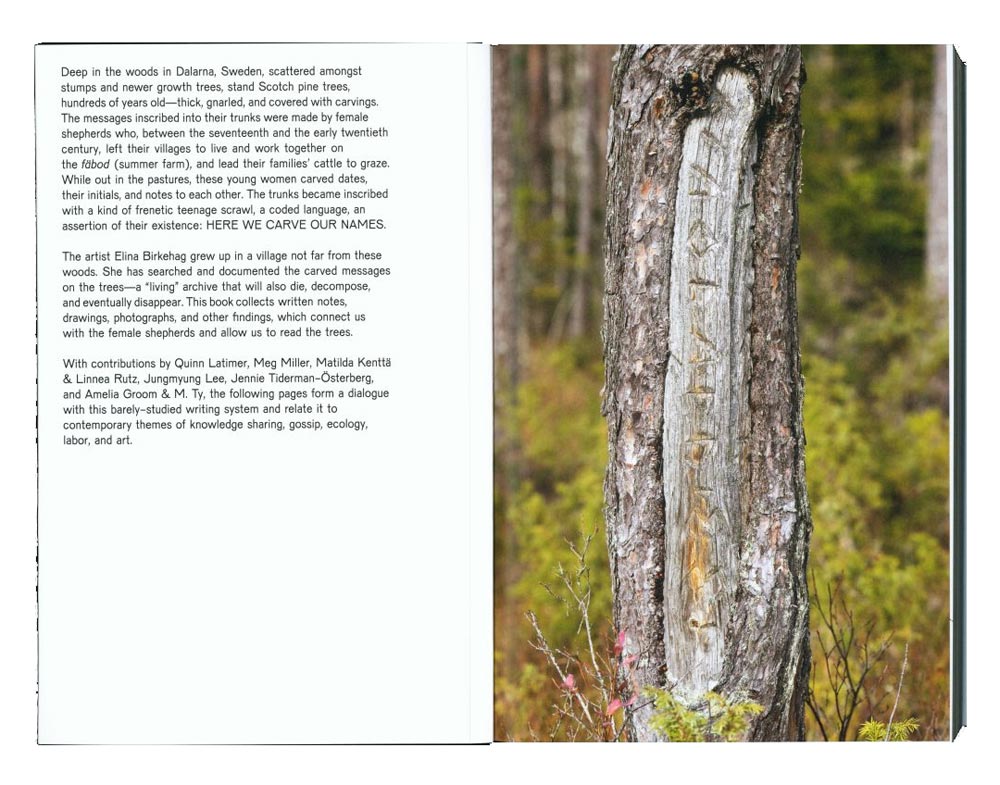
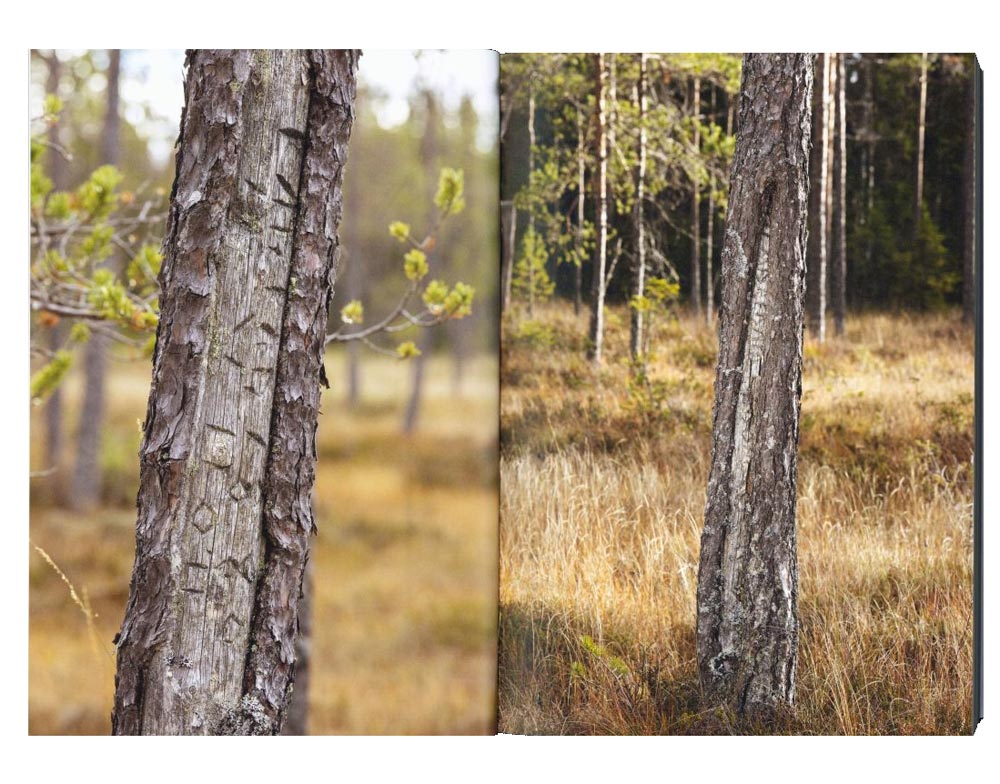
Deep in the woods in Dalarna, Sweden, scattered among stumps and newer-growth trees stand centuries-old Scotch pines – thick, gnarled, and covered with carvings. The messages inscribed in their trunks are from female shepherds who, from the 17th to the early 20th centuries, would leave their villages to live and work together on the fäbod (summer farm) and lead their families’ cattle out to graze. While in the pastures, these young women, many of them teenagers, carved the date, their initials, and notes to each other, leaving the trunks scrawled with a kind of teenage freneticism, a coded language, an assertion of their existence: HERE WE DRAW OUR NAMES. The artist Elina Birkehag went into the forest with her camera and searched for the trees. She photographed the marks the young women had left in the bark. Her book connects us with the female shepherds and enables us to “read” the trees.
Language like a knife slipping in. Grass in the mouth. Animals in the round, chewing. What north of the mind is this. What essaying animal body, what solar refrain of northern summer. Why do we send the girls to labor with cattle, why do we like working girls, writing girls, cast-off girls, grieving girls, but not sovereign women, why do we send them to a forest constellated with animals, why must they care for them as for language, letters which for 300 years do not burn but sink deeper into nonhuman skin, clarion, then obscure. - Elina Birkehag
Nominated for Swedish Photography Book Prize 2024!
From the publisher:
Deep in the woods in Dalarna, Sweden, scattered among stumps and newer-growth trees stand centuries-old Scotch pines – thick, gnarled, and covered with carvings. The messages inscribed in their trunks are from female shepherds who, from the 17th to the early 20th centuries, would leave their villages to live and work together on the fäbod (summer farm) and lead their families’ cattle out to graze. While in the pastures, these young women, many of them teenagers, carved the date, their initials, and notes to each other, leaving the trunks scrawled with a kind of teenage freneticism, a coded language, an assertion of their existence: HERE WE DRAW OUR NAMES. The artist Elina Birkehag went into the forest with her camera and searched for the trees. She photographed the marks the young women had left in the bark. Her book connects us with the female shepherds and enables us to “read” the trees.
Language like a knife slipping in. Grass in the mouth. Animals in the round, chewing. What north of the mind is this. What essaying animal body, what solar refrain of northern summer. Why do we send the girls to labor with cattle, why do we like working girls, writing girls, cast-off girls, grieving girls, but not sovereign women, why do we send them to a forest constellated with animals, why must they care for them as for language, letters which for 300 years do not burn but sink deeper into nonhuman skin, clarion, then obscure. - Elina Birkehag